
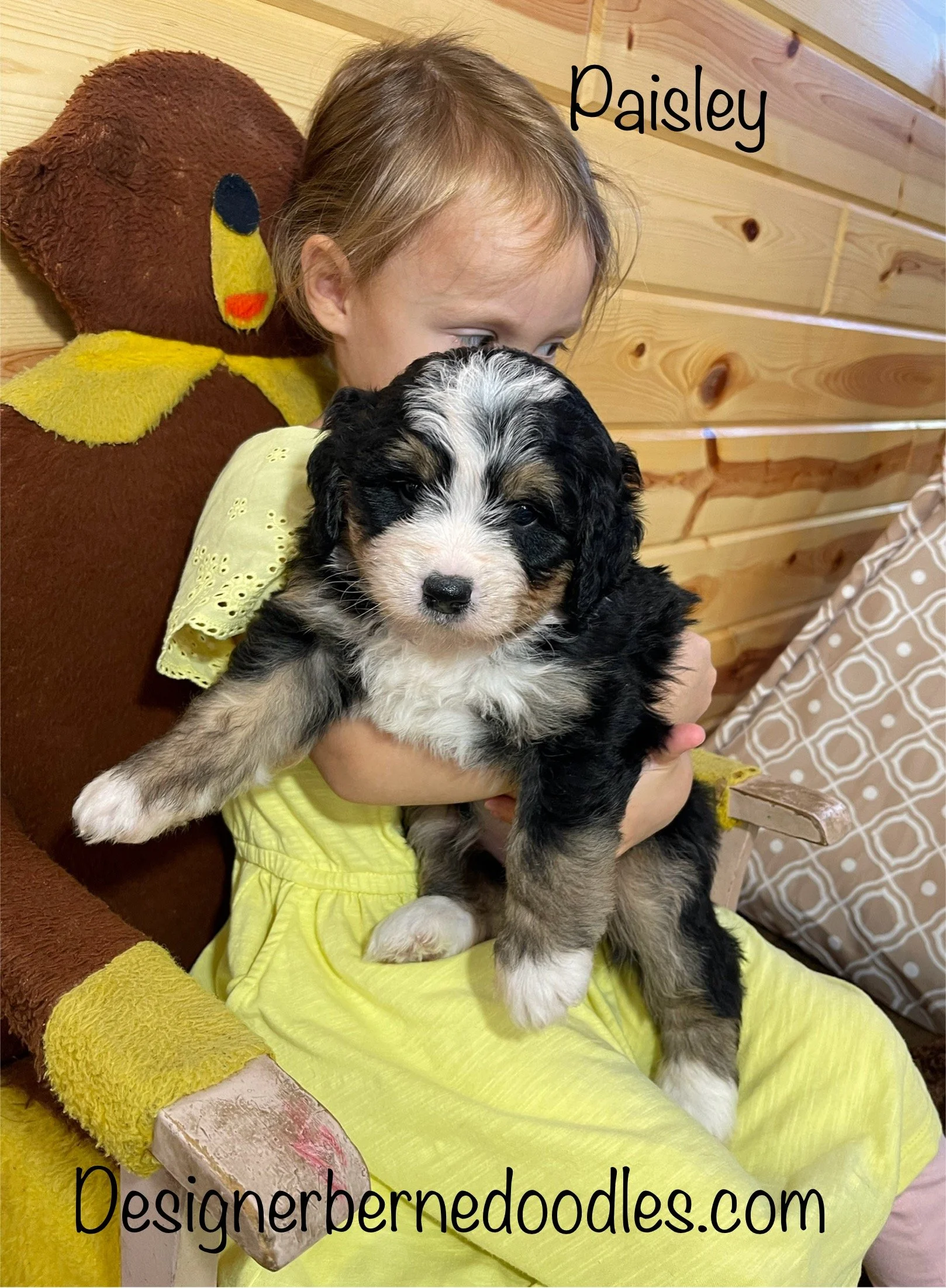
Are Bernedoodles Hypoallergenic?
Bernedoodles can be a good fit if you have allergies, but they aren’t completely hypoallergenic. If you choose one with a curly, low-shedding coat, you’ll usually get less loose hair and dander in your home. Wavy coats can also work for mild to moderate allergies, while straight coats tend to release more allergens. F1B and multi-gen Bernedoodles are often the best choices because they inherit stronger Poodle traits. There’s more to evaluate before you decide.
Are Bernedoodles Hypoallergenic?
Are Bernedoodles hypoallergenic? You can often expect Bernedoodles to be a safer choice if allergies concern you.
Thanks to their Poodle lineage, many have low-shedding coats that help trap dander and loose hair instead of spreading it around your home.
Coat type matters: curly coats are usually the most hypoallergenic, while wavy coats may work for mild to moderate allergies.
Generation matters too, and F1B Bernedoodles are often the most allergy-friendly.
Still, no dog is completely allergen-free, so you’ll want consistent grooming and routine cleaning to help keep allergens lower and your environment more comfortable and predictable daily.
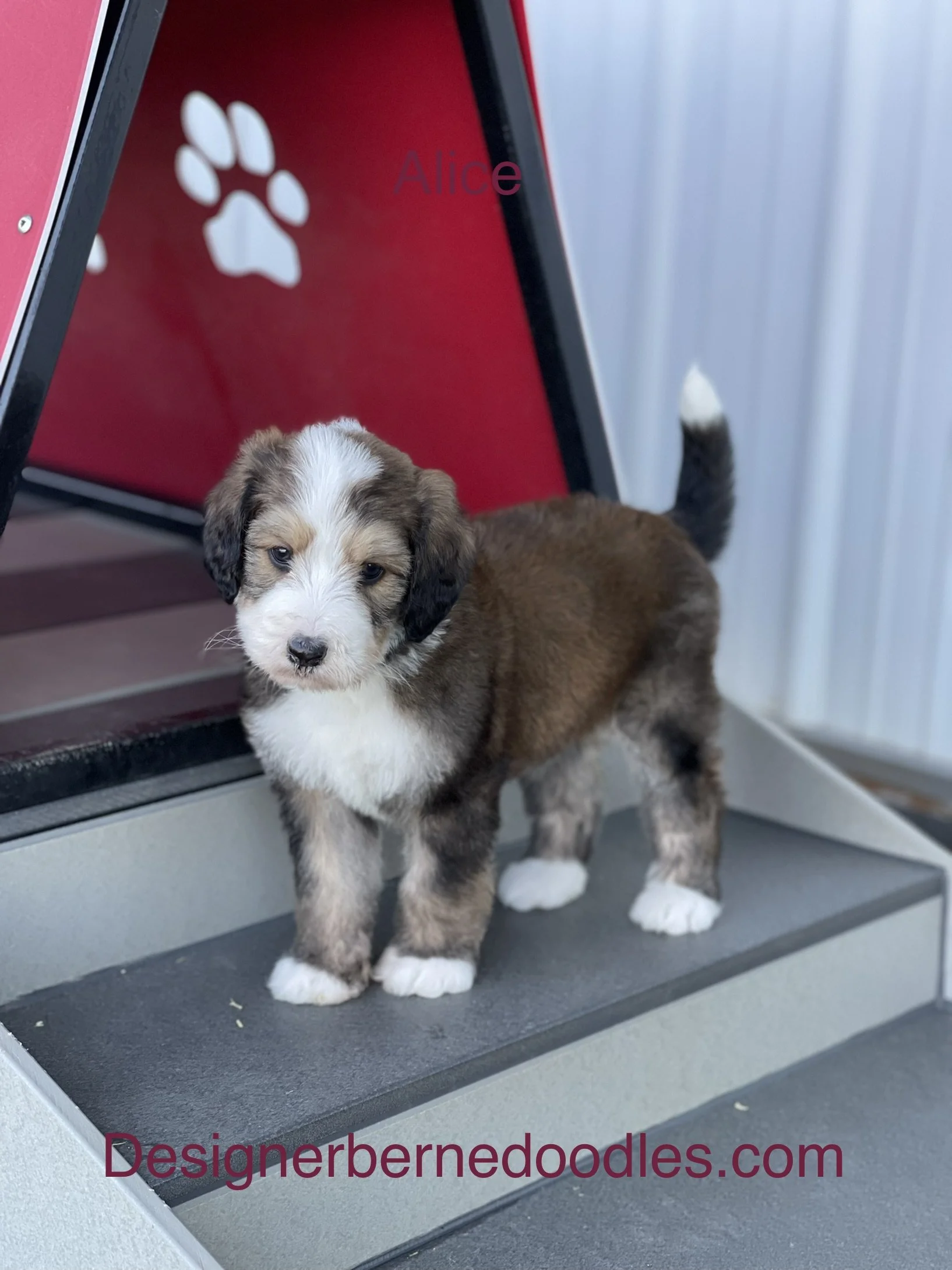
What Does Hypoallergenic Mean for Bernedoodles?
When people call Bernedoodles hypoallergenic, they mean these dogs are less likely to trigger your allergies, not that they’re completely allergen-free.
For safer expectations, remember reactions can still happen, and your Bernedoodles’ coat type matters.
Hypoallergenic doesn’t mean zero allergens. It means reduced exposure, especially with low-shedding, Poodle-leaning dogs. F1B Bernedoodles often test more hypoallergenic because they inherit more Poodle traits and usually carry a curlier coat.
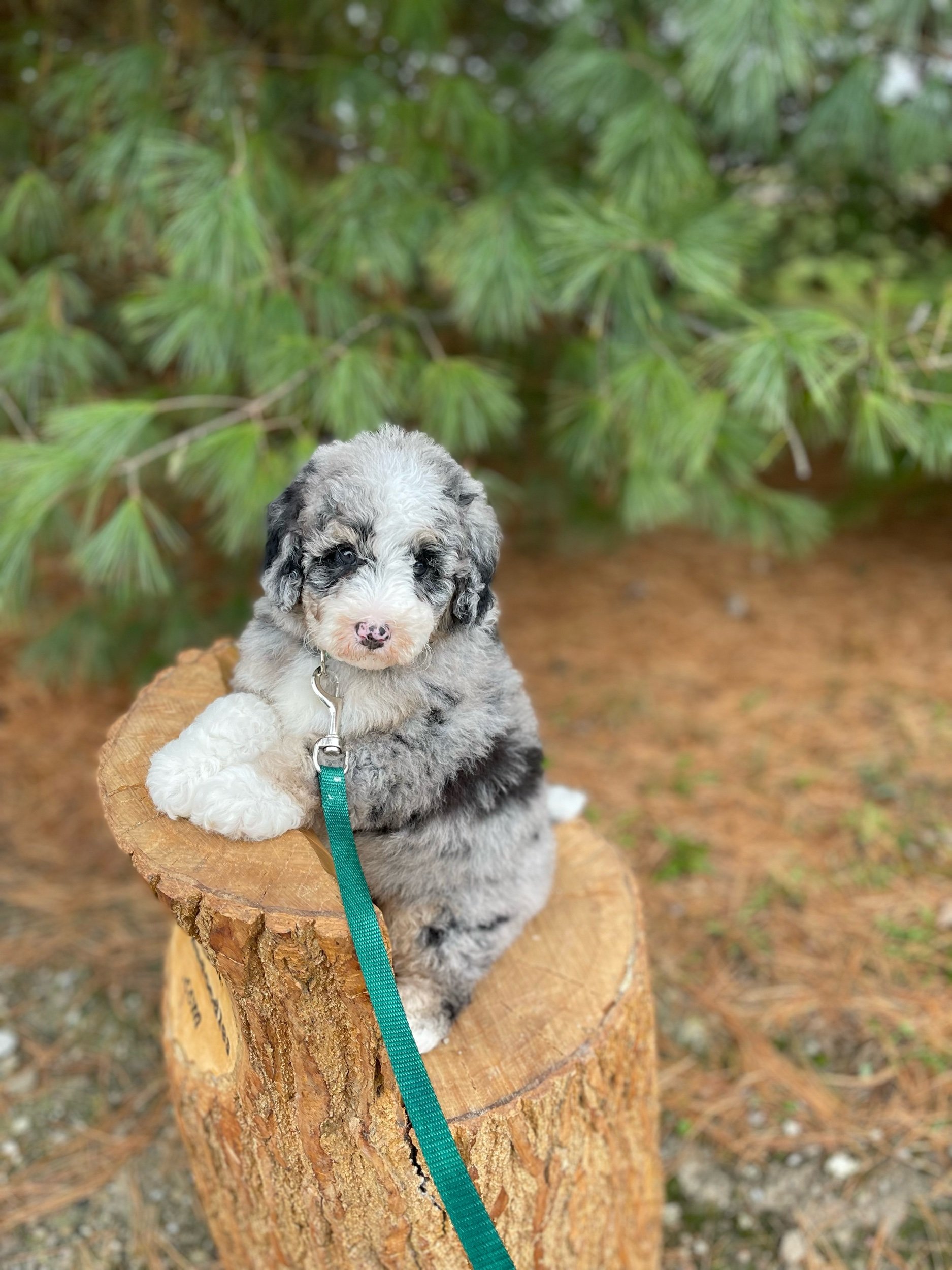
Why Bernedoodles Trigger Fewer Allergies
Because Bernedoodles inherit much of their coat structure from the Poodle, they usually shed less and release fewer allergens into your home. That can make Bernedoodles a safer, more comfortable choice if you have mild allergies.
Their curly, low-shedding coats help trap dander near the fur, rather than spreading it throughout your space.
Poodle genetics support more hypoallergenic coat traits.
F1B Bernedoodles often have stronger allergy-friendly qualities.
Furnishings can help limit dander release.
You should still remember that no dog is fully hypoallergenic.
Consistent grooming and routine cleaning help you manage allergens and keep your environment more predictable and comfortable daily.
Do Bernedoodles Shed a Lot?
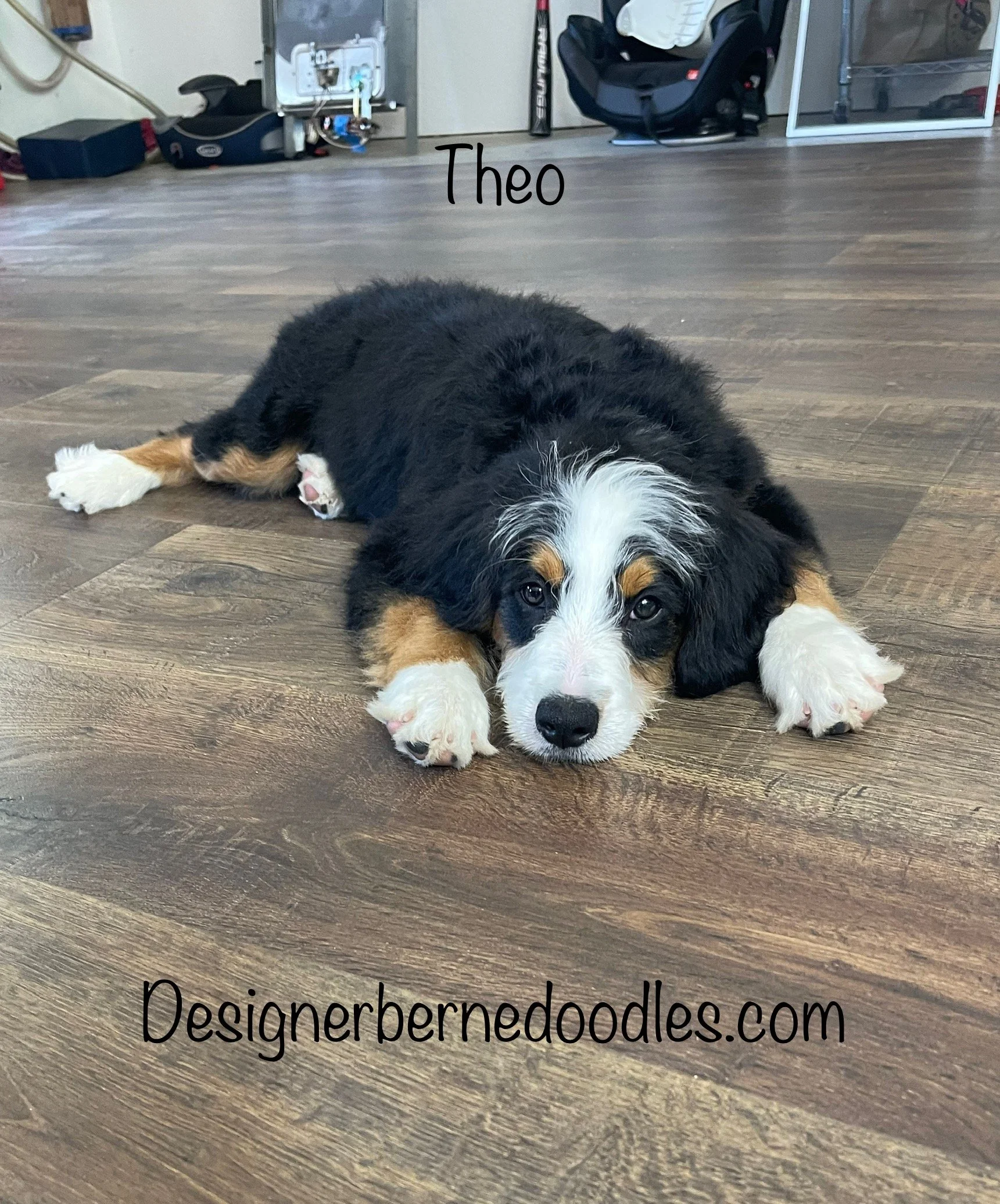
How much a Bernedoodle sheds depends mostly on its coat type, but most shed far less than heavy-shedding breeds.
If you want a dog that’s easier to manage around your home, Bernedoodles usually shed less than many breeds and can be a safer choice for allergy-sensitive families.
Still, no dog is completely non-shedding or fully hypoallergenic. Shedding can vary by generation, and some Bernedoodles inherit more low-shedding traits than others.
With regular grooming, bathing, and routine cleaning, you can help control loose hair and dander. That makes daily life cleaner, more comfortable, and more predictable if you want to reduce allergen exposure.
Which Bernedoodle Coat Is Best for Allergies?
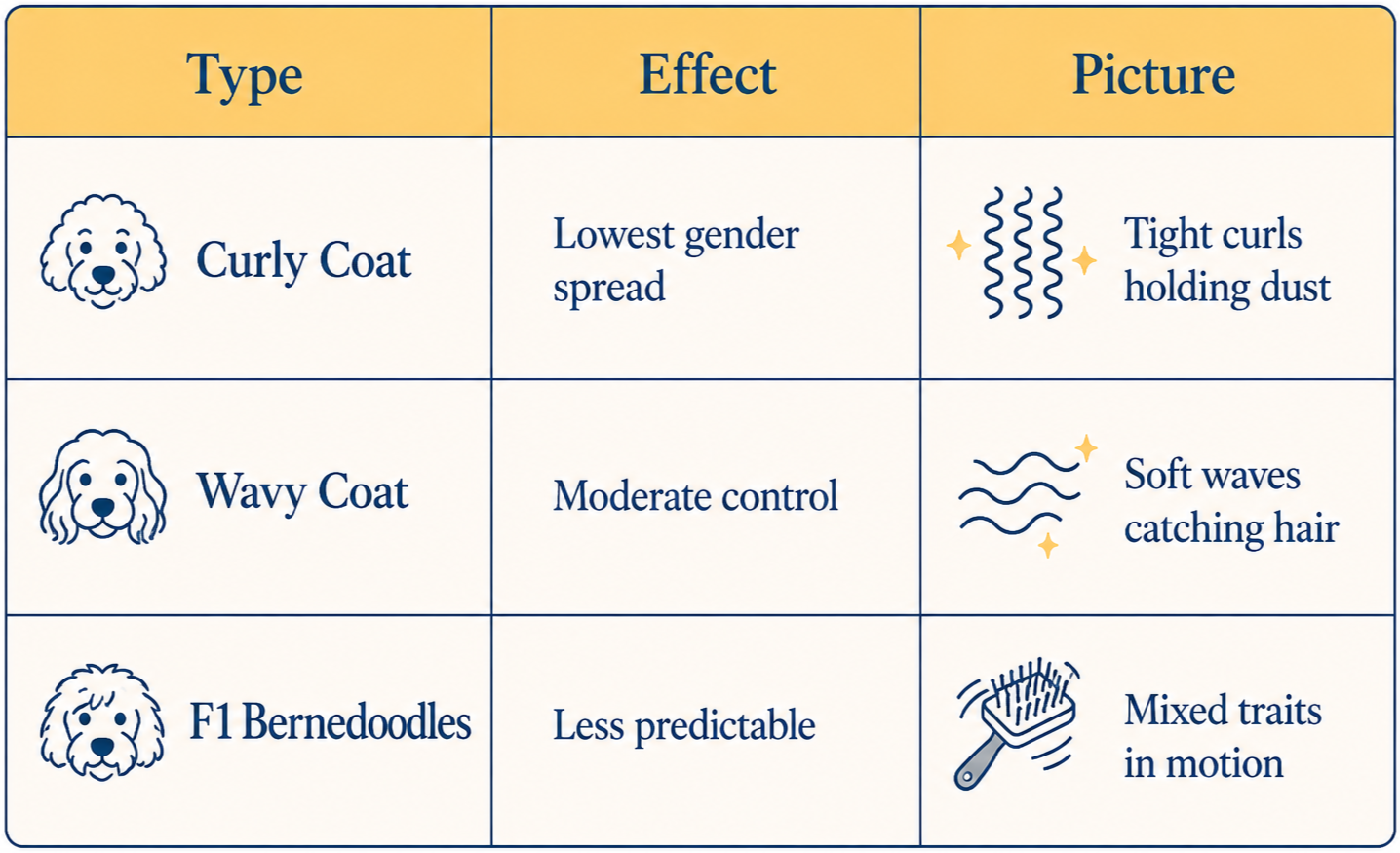
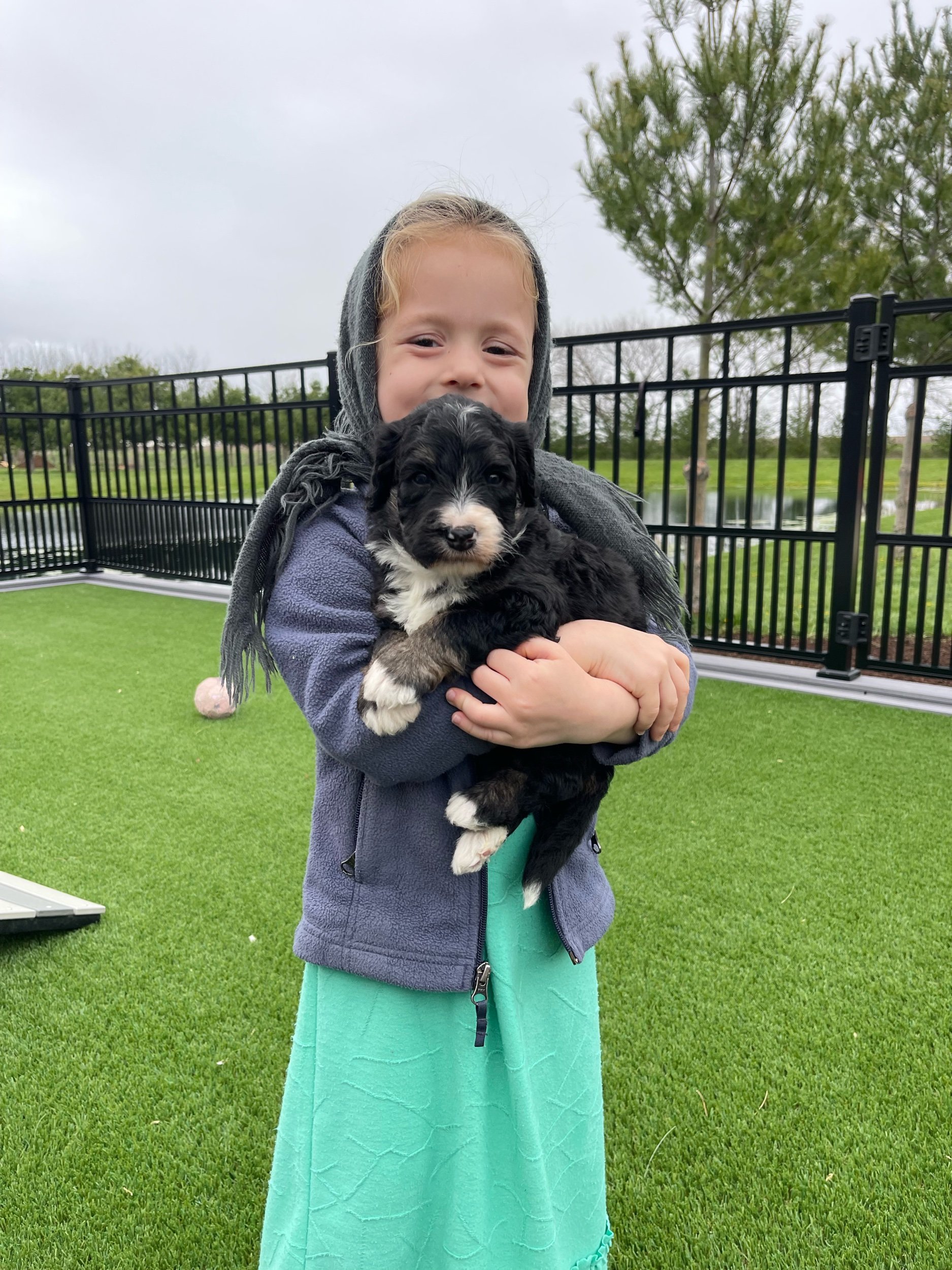
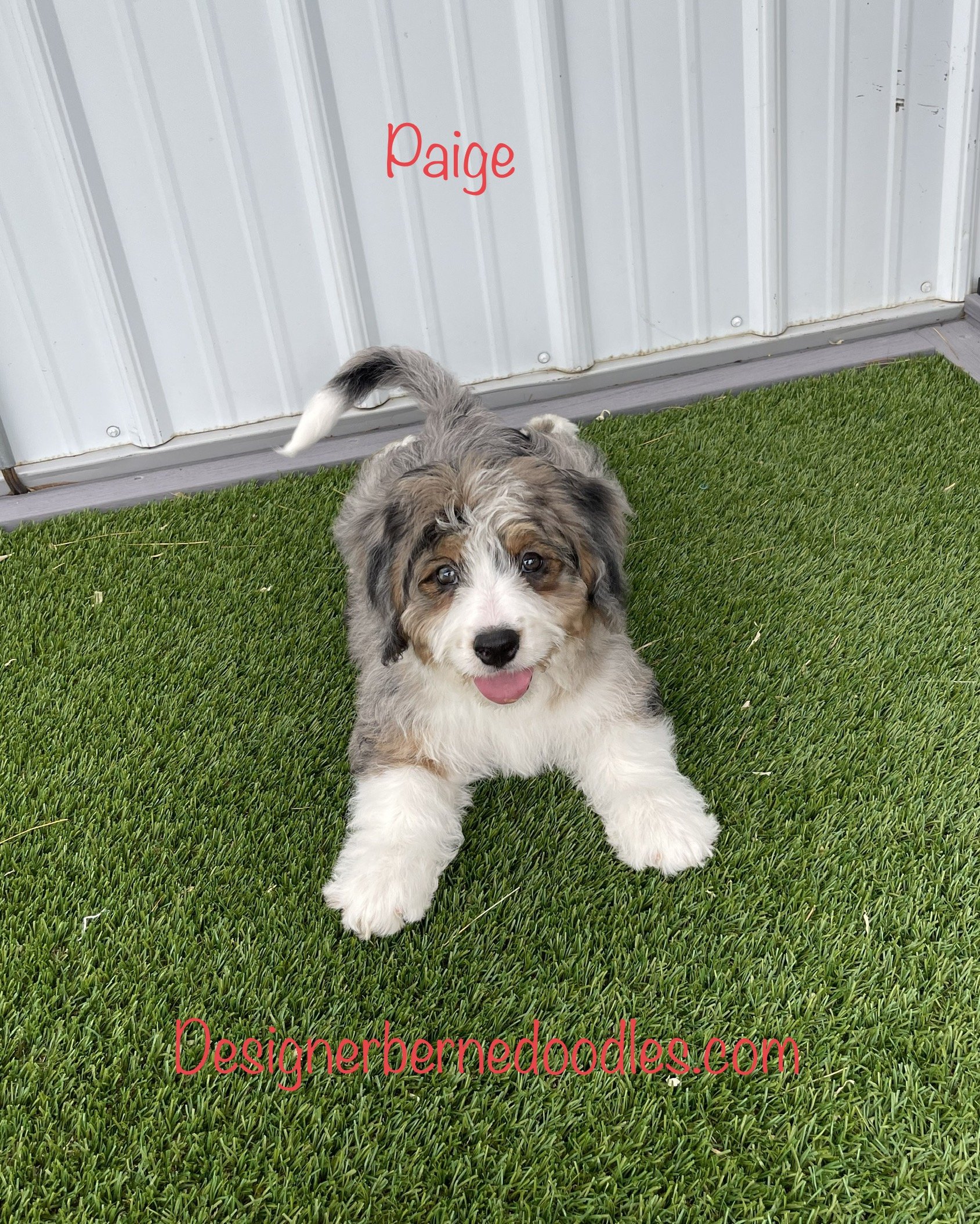
The coat type matters most if you’re choosing a Bernedoodle for allergies. For the safest match, look for curly coats, as they’re the most hypoallergenic and shed the least.
Wavy coats can work if your allergies are moderate, while straight coats tend to shed more hair and dander.
Curly: best for allergy control
Wavy: balanced and lower risk
Straight: highest allergen exposure
You should also favor a fully furnished coat, which usually sheds less.
An F1B Bernedoodle often has stronger Poodle traits, but no dog is completely allergen-free, so regular grooming and cleaning still protect your home.

Which Bernedoodle Generations Are Best?
When you compare Bernedoodle generations, F1B and multi-gen dogs usually stand out as the best choices for allergies.
You’ll often see more predictable hypoallergenic traits because these dogs carry a stronger Poodle influence, which usually means less shedding and dander.
If you want a safer option for allergy sufferers, F1B Bernedoodles often offer an advantage over F1 dogs.
F1 dogs are a 50/50 mix, so their allergy-friendly qualities can vary more. Multi-gen Bernedoodles can be even more consistent.
Your dog’s coat type still matters, though. Curly coats usually protect you best, while wavy coats may work for moderate sensitivities in many homes.
How to Pick a Bernedoodle for Allergies
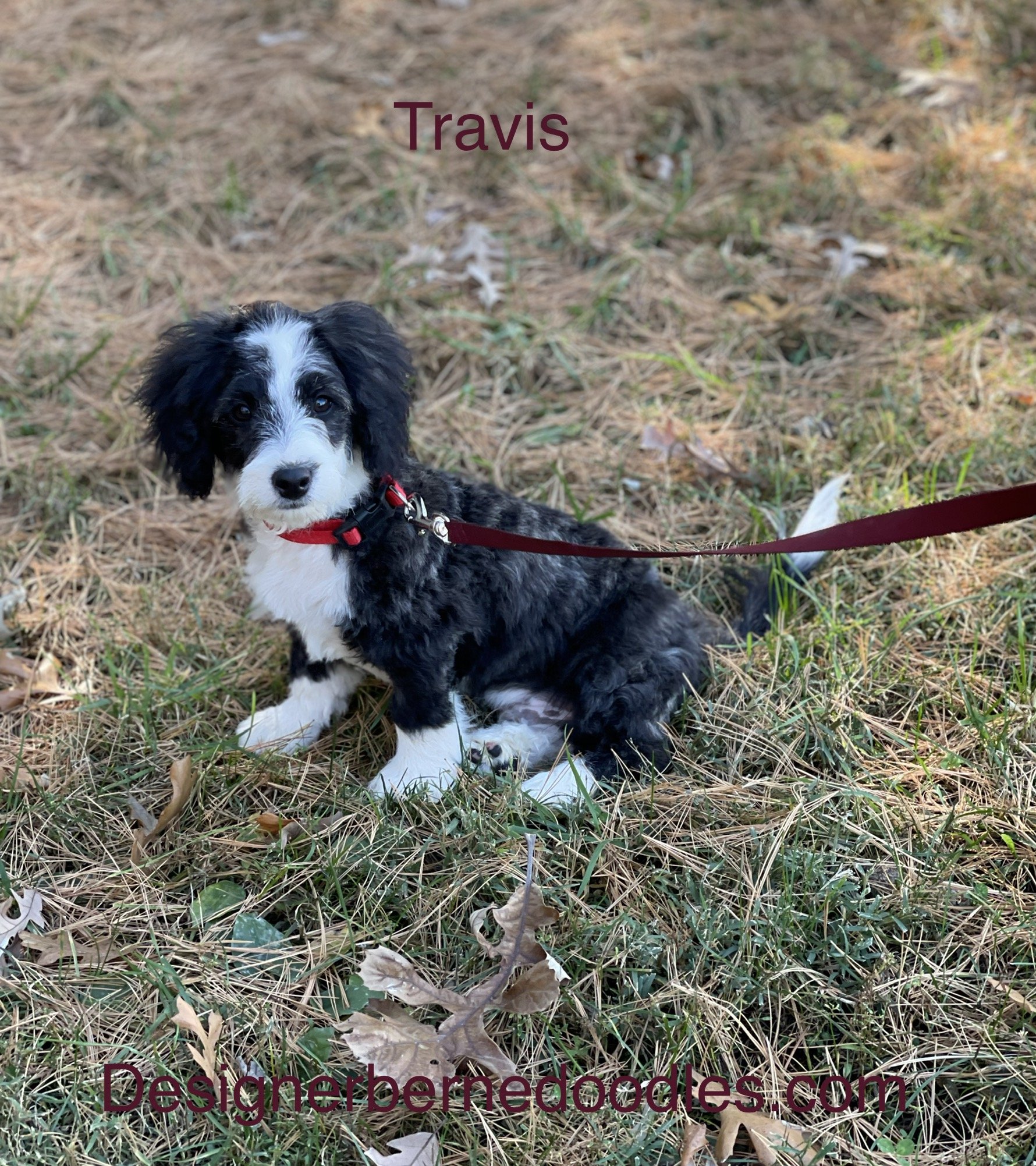
Choosing a Bernedoodle for allergies starts with the traits that matter most. To lower risk, focus on dogs more likely to be hypoallergenic and easier to manage safely at home.
Choose an F1B or multi-gen Bernedoodle for stronger Poodle influence.
Compare coat types carefully; curly coats usually shed least and trap dander best.
Ask reputable breeders about genetic testing and expected allergy-friendly traits.
You should also spend time with adult Bernedoodles before committing, since reactions differ.
Finally, plan for regular grooming and home cleaning, and ask about coat-specific care so you can control allergens consistently and confidently over time.
Frequently Asked Questions
Are Bernedoodles Good for People With Allergies?
Yes, Bernedoodles can suit you if you have allergies, especially curlier or F1B coats. They aren’t allergen-free, so you’ll want regular grooming, cleaning, and a trial visit first to safely gauge your personal reaction.
What Is the Downside of a Bernedoodle?
A Bernedoodle’s downside is unpredictability: you might get a low-shedding companion, yet still face allergens, stubborn training, costly grooming, inherited health issues, and bigger exercise or space needs. You’ll need careful planning to keep your home comfortable.
Which Is More Hypoallergenic, Bernedoodle or Goldendoodle?
You’ll usually find Bernedoodles more hypoallergenic than Goldendoodles, especially F1B Bernedoodles with curlier, lower-shedding coats. Still, neither breed is completely allergen-free, so you should meet the individual dog first and keep up regular grooming.
What Is the #1 Hypoallergenic Dog?
The Poodle ranks as your #1 hypoallergenic dog; with roughly 100,000 hairs, its curly, low-shedding coat traps dander better, helping you breathe easier. Still, you’ll want grooming and allergy testing, since no breed is completely allergen-free.
So, Are Bernedoodles Hypoallergenic?
Bernedoodles can be a great option if you want a dog that’s easier on your allergies, but you shouldn’t expect a completely hypoallergenic pet. Since about 10% to 20% of people worldwide have dog allergies, it helps to picture 1 or 2 people out of every 10 reacting differently to the same dog. If you choose a curlier coat, ask about generation, and stay consistent with grooming, you’ll give yourself the best chance at a comfortable match.